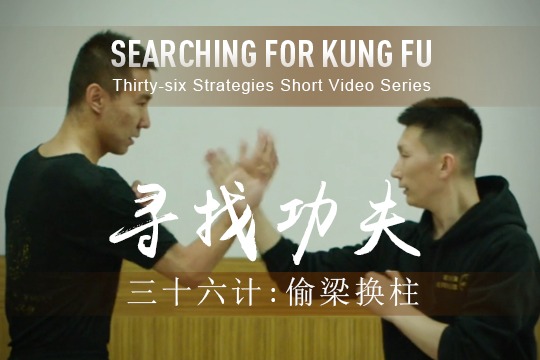
Tou liang huan zhu
Overview
"Tou liang huan zhu" is one of the renowned Thirty-Six Strategies, a classic compilation of ancient Chinese tactics used in military engagements. This particular strategy is centered around the concept of destabilizing an adversary by removing their key support or resource, thereby weakening their position and gaining an advantage. The phrase can be metaphorically translated to mean "Stealing the beams to replace the pillars," symbolizing the act of undermining an opponent’s foundation.
Historical Context
The Thirty-Six Strategies are attributed to historical Chinese warfare practices and have been documented as a comprehensive guide to military tactics. The origins of these strategies are deeply rooted in the rich history of China, reflecting the tactical ingenuity of ancient Chinese military leaders. "Tou liang huan zhu," as part of this compilation, exemplifies the strategic thinking that was prevalent during times of warfare, where indirect approaches were often employed to achieve victory with minimal direct confrontation.
Modern Applications
In contemporary times, "Tou liang huan zhu" has transcended its military origins and found relevance in various fields such as business, sports, and everyday life. The strategy's core principle of identifying and removing a competitor's critical support is applied in corporate takeovers, competitive sports strategies, and personal conflict resolution. By adapting the essence of this strategy to modern challenges, individuals and organizations can navigate complex situations with strategic foresight.
Cultural Representation
The strategy has gained renewed attention through the short video series "Searching for Kung Fu: Thirty-Six Strategies," produced by the China Daily Website and directed by Laurence Brahm, a filmmaker from the United States. This series creatively merges the Thirty-Six Strategies with traditional Chinese kung fu techniques, offering a unique perspective on the enduring relevance of ancient Chinese wisdom. The series not only delves into historical instances where such strategies were employed but also presents contemporary examples that resonate with modern audiences.
Philosophical Insights
"Tou liang huan zhu," like many strategies in the Thirty-Six Strategies, carries a philosophical dimension that emphasizes the importance of adaptability and strategic planning. The strategy encourages a mindset that values indirect approaches, patience, and the careful analysis of an opponent’s vulnerabilities. These philosophical insights are reflective of broader Taoist and Confucian principles, which advocate for harmony, balance, and the strategic use of resources to achieve desired outcomes.
Practical Examples
The practical application of "Tou liang huan zhu" can be seen in various historical and modern scenarios. In ancient times, generals might have used this tactic to isolate an enemy stronghold by cutting off supply lines or alliances. In the business world, a company might employ this strategy by enticing key talent away from a rival firm, thereby weakening its competitive position. Such examples illustrate the versatility of the strategy and its potential impact when executed effectively. Article reference1. 36 Strategies: Steal the Beams and Pillars and Replace Them with Rotten Timber. chinadaily.com.cn. 2020Photo Gallery(1 picture)CategoriesLiteratureTagChinese Classical LiteratureRelated36 Strategies: Steal the Beams and Pillars and Replace Them with Rotten TimberCatalogue1. Overview2. Historical Context3. Modern Applications4. Cultural Representation5. Philosophical Insights6. Practical Examples- - - []








